Grease Interceptor Cleaning In San Jose
Keep your commercial kitchen compliant, odor-free, and flowing properly with professional grease interceptor cleaning in San Jose. Call Drain Cleaning San Jose today.
Grease Interceptor Cleaning Near San Jose, CA
Restaurants, cafés, food trucks, school kitchens, hotels, and commercial food facilities in San Jose depend on clean grease interceptors to prevent sewer backups, foul odors, and costly plumbing shutdowns. When fats, oils, grease, and food solids build up inside the interceptor, wastewater slows down, drains start gurgling, and your kitchen can quickly become a health-code problem.
Drain Cleaning San Jose provides reliable grease interceptor cleaning near San Jose, CA for businesses around Downtown San Jose, Japantown, North San Jose, Willow Glen, Alum Rock, Berryessa, and nearby areas. Our team removes hardened grease, sludge, and settled solids so your interceptor can separate waste properly again.
If you are searching for commercial drain cleaning experts in San Jose, we are ready to help keep your kitchen plumbing safe, sanitary, and inspection-ready. We focus on practical service, clear communication, and dependable cleaning for busy food-service operations that cannot afford downtime.
Our Process For Grease Interceptor Cleaning
Initial Inspection
We begin by checking the grease interceptor location, lid access, drain flow, odor level, and signs of backup. Many commercial kitchens call us after noticing slow floor drains, water pooling near prep sinks, or a strong rotten-grease smell outside. We look at the condition of the interceptor before cleaning so we can explain what is happening and what level of service is needed.
Safe Access And Waste Removal
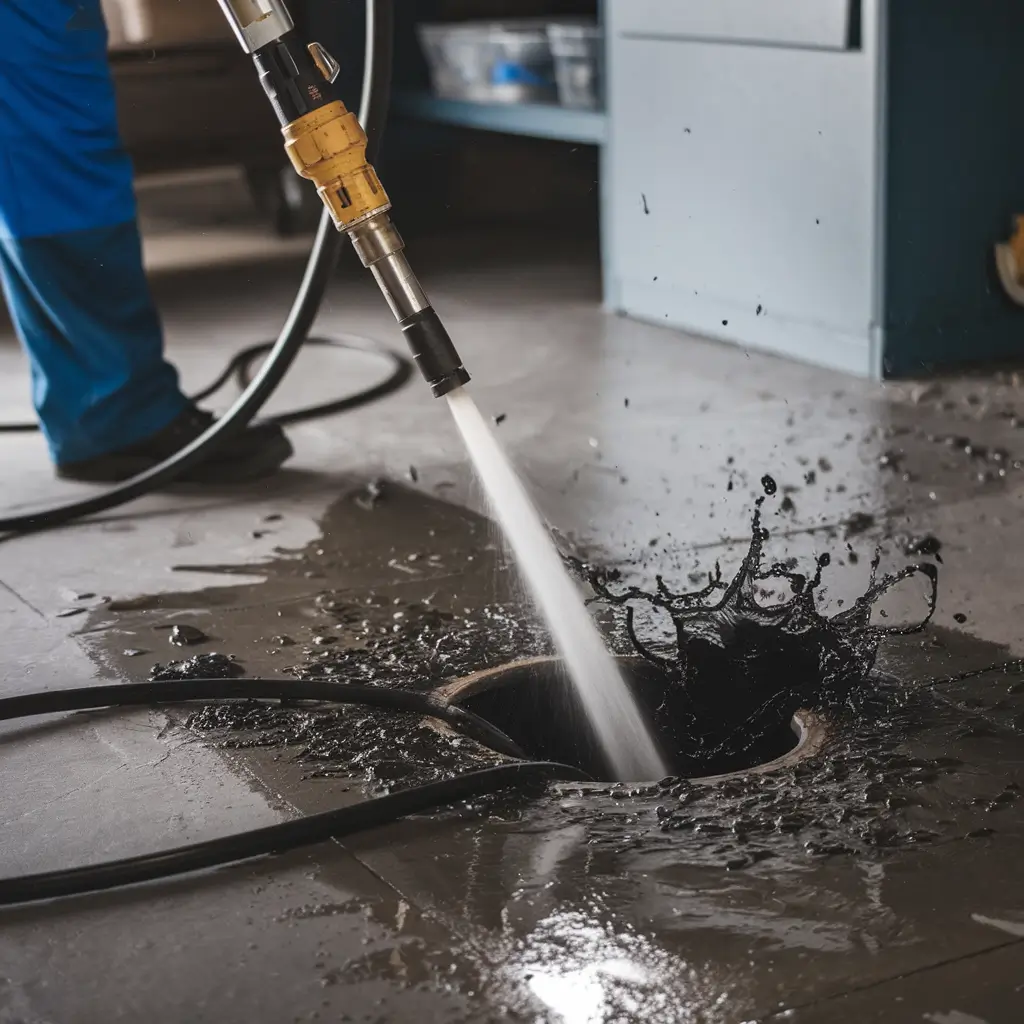
Once the interceptor is safely opened, accumulated fats, oils, grease, sludge, and food solids are removed from the tank. A properly cleaned interceptor should not just have the liquid skimmed from the top. The heavier solids at the bottom and the thick grease layer along the walls also need attention. Leaving this material behind causes the system to clog again faster.
Interior Cleaning
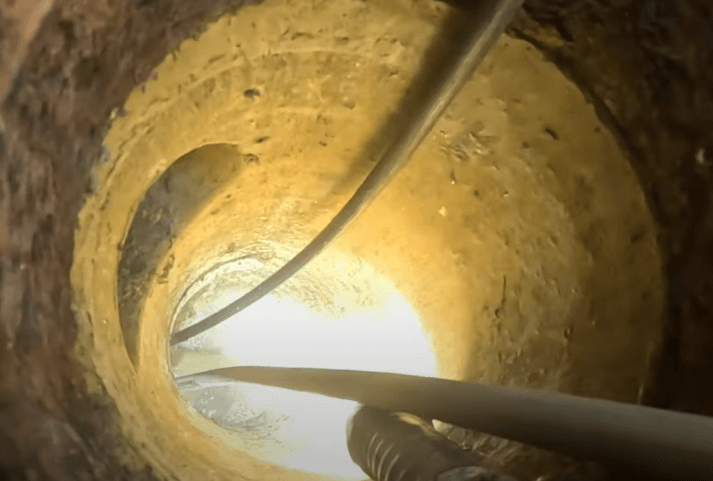
After pumping and waste removal, we clean the inside surfaces, baffles, inlet, outlet, and accessible piping areas. This step matters because hardened grease can cling to the walls and reduce the working capacity of the interceptor. If the unit is not fully cleaned, even a large interceptor can behave like a much smaller one.
Flow Check And Problem Detection
After cleaning, we check for warning signs such as damaged baffles, blocked outlet lines, missing covers, excessive solids, or poor drainage from the connected kitchen lines. If we see an issue that may cause repeat backups, we explain it clearly before recommending the next step.
Maintenance Recommendations
Different kitchens need different schedules. A small café may need service every few months, while a high-volume restaurant, bakery, or fried-food kitchen may need more frequent cleaning. Regular service helps prevent emergency backups, sewer odors, failed inspections, and expensive after-hours plumbing calls.
For dependable help from a San Jose drain cleaning company for restaurants, Drain Cleaning San Jose provides grease interceptor cleaning designed around real kitchen operations.
Cost Of Grease Interceptor Cleaning In San Jose
Grease interceptor cleaning in San Jose usually costs more than basic residential drain cleaning because the job involves commercial waste, heavier grease buildup, larger tanks, disposal requirements, and more labor. Current local market ranges show small to medium grease traps under 500 gallons commonly running about $125 to $475, while larger 500+ gallon interceptors may range from $400 to $1,200 depending on size, condition, access, and buildup level. Other Bay Area pricing references show professional grease trap cleaning commonly falling between $125 and $900 per visit.
For a small indoor grease trap under a sink, you may be closer to $175 to $350 if it is regularly maintained. For a 500-gallon outdoor grease interceptor, expect a starting range around $475 to $650 when access is easy and the unit is not badly neglected. A 1,000-gallon interceptor can commonly land around $700 to $1,200+, especially if there is thick hardened grease, heavy sludge, difficult lid access, or emergency service after business hours. Preventive scheduled service is usually cheaper than waiting for a backup because emergency visits require faster dispatch, more cleanup, and sometimes additional drain clearing.
The best way to keep your cost down is to clean the interceptor before it reaches capacity. If your kitchen serves fried foods, meat, dairy, sauces, or high-volume dishwashing, waiting too long can turn a normal cleaning into a much more expensive service.
Why Choose Our Services In San Jose, CA?
Licensed, Insured & Locally Based
We operate from 1295 Oakland Rd, San Jose, CA 95112 — fully licensed and insured. Our techs know local plumbing inside out, from clay pipes in Willow Glen to modern PVC lines in North San Jose.
Fast Response & 24/7 Emergency Service
We offer same-day service and 24/7 emergency response across all of San Jose. One call to (408) 746-3477 and we’re on our way — no long waits, no runaround.
Honest, Upfront Pricing
You get a clear written estimate before any work starts. No hidden fees, no upselling, no surprises — just straightforward pricing you can trust.
Professional-Grade Equipment
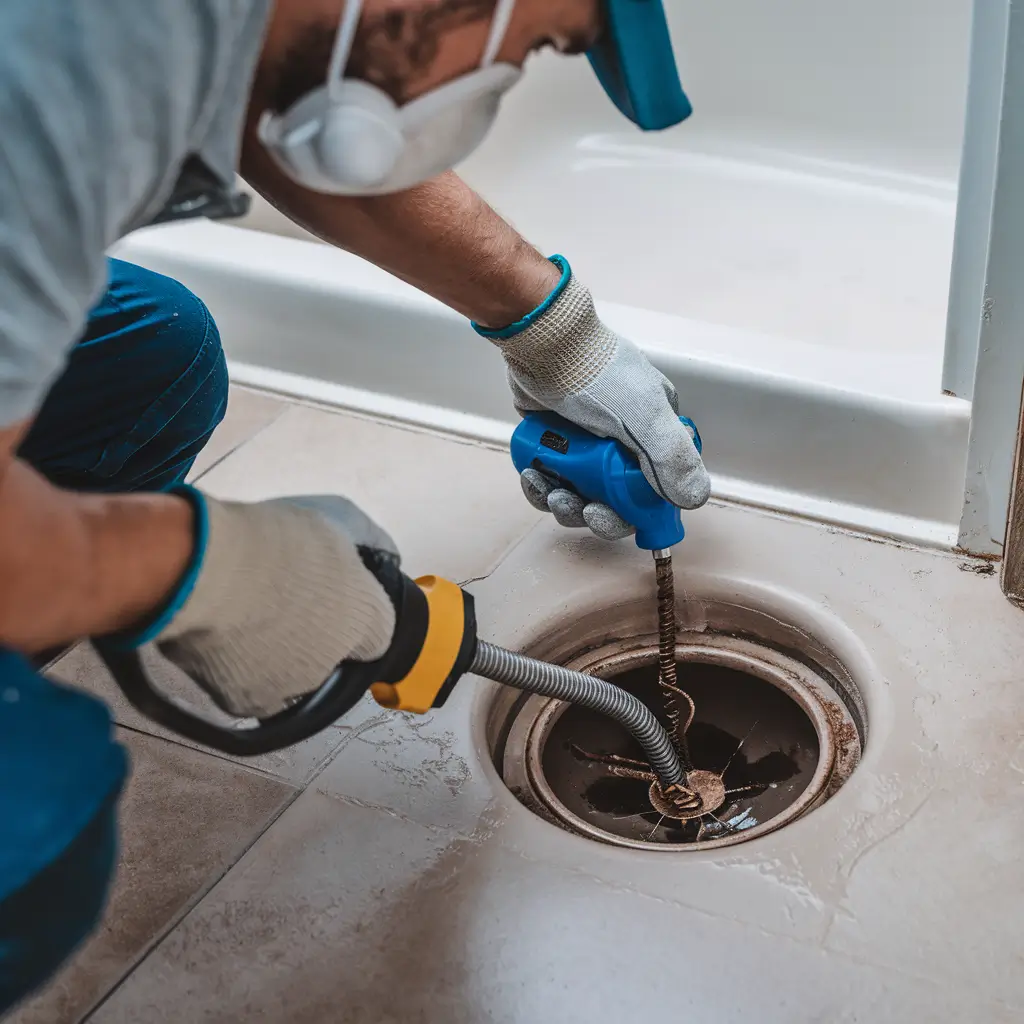
From HD camera inspection to truck-mounted hydro jetters at 4,000 PSI, we bring the right tools for every job — fixing problems that basic snaking simply can’t reach.
100% Satisfaction Guarantee
If your drain isn’t flowing properly after we leave, we come back at no charge. Every job, every time.
Eco-Friendly Drain Cleaning
We use biodegradable formulations and precision hydro jetting to minimize chemical use — safe for your pipes, your family, and San Jose’s waterways.
Customer Testimonials
Contact San Jose Drain Cleaning Professionals Today
FAQ'S About Grease Interceptor Cleaning
How often should a grease interceptor be cleaned?
Most commercial kitchens need grease interceptor cleaning every 1 to 3 months, depending on food volume, grease output, and interceptor size.
What happens if I do not clean my grease interceptor?
Grease can harden, block wastewater flow, cause sewer backups, create foul odors, and lead to health or city compliance issues.